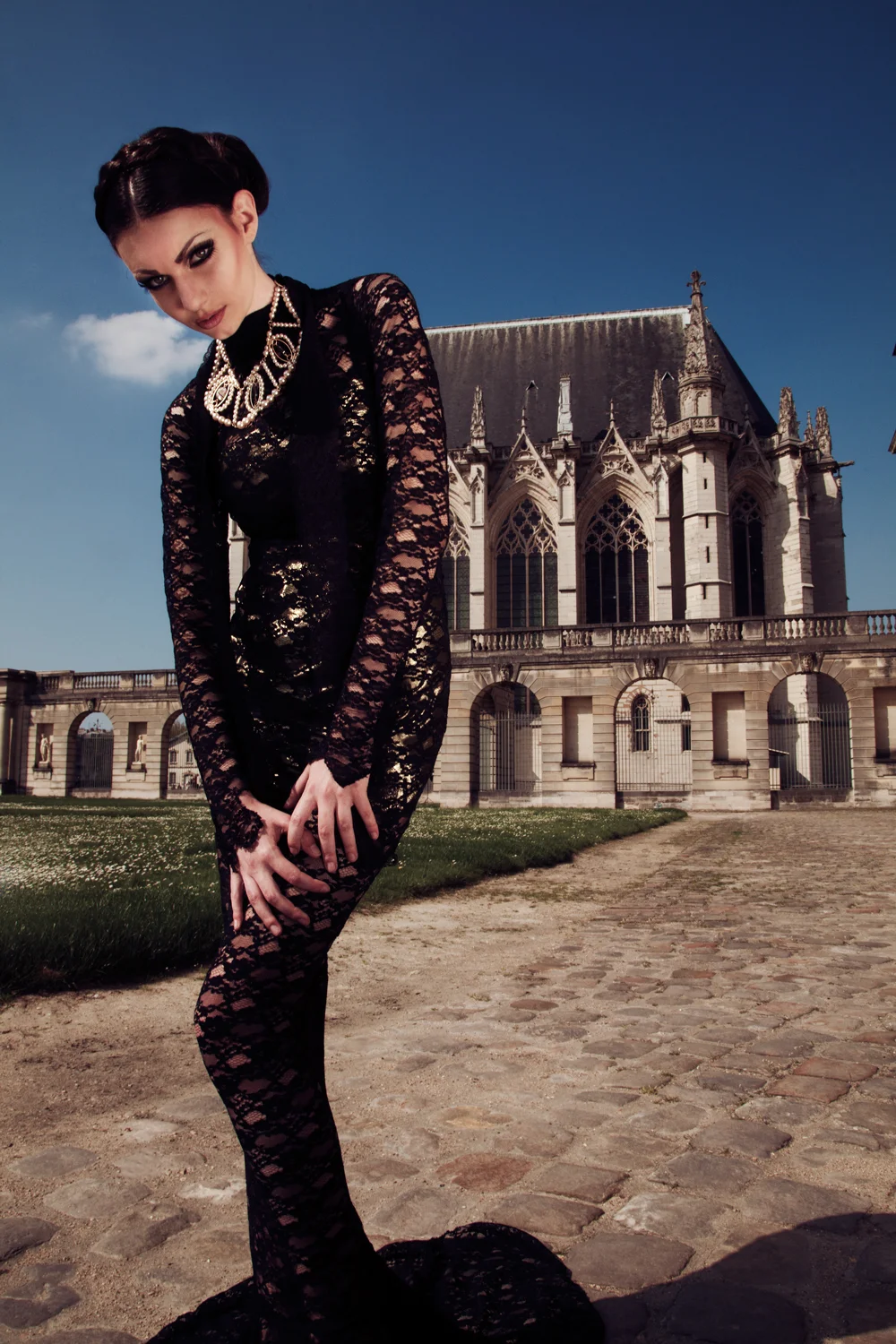
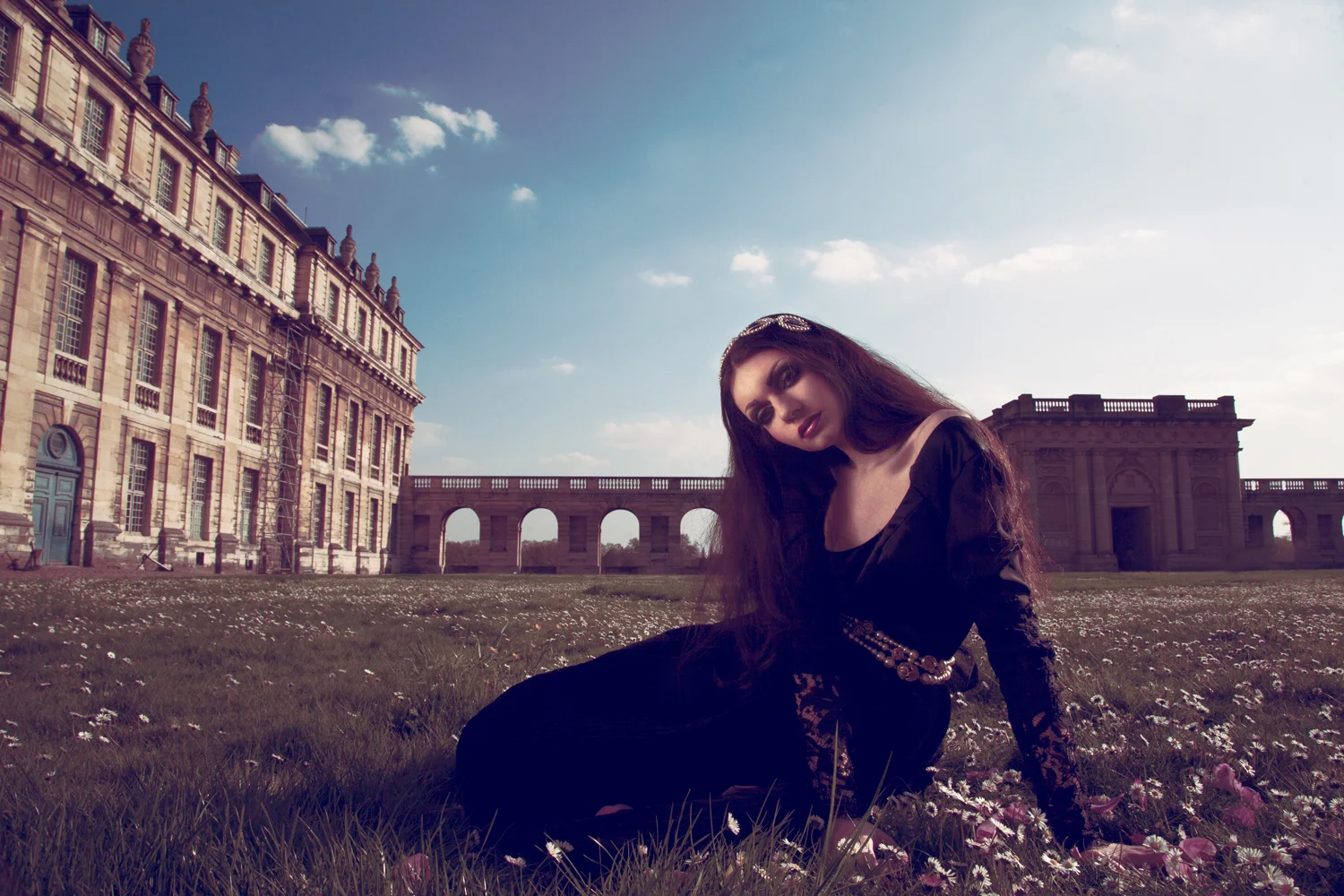
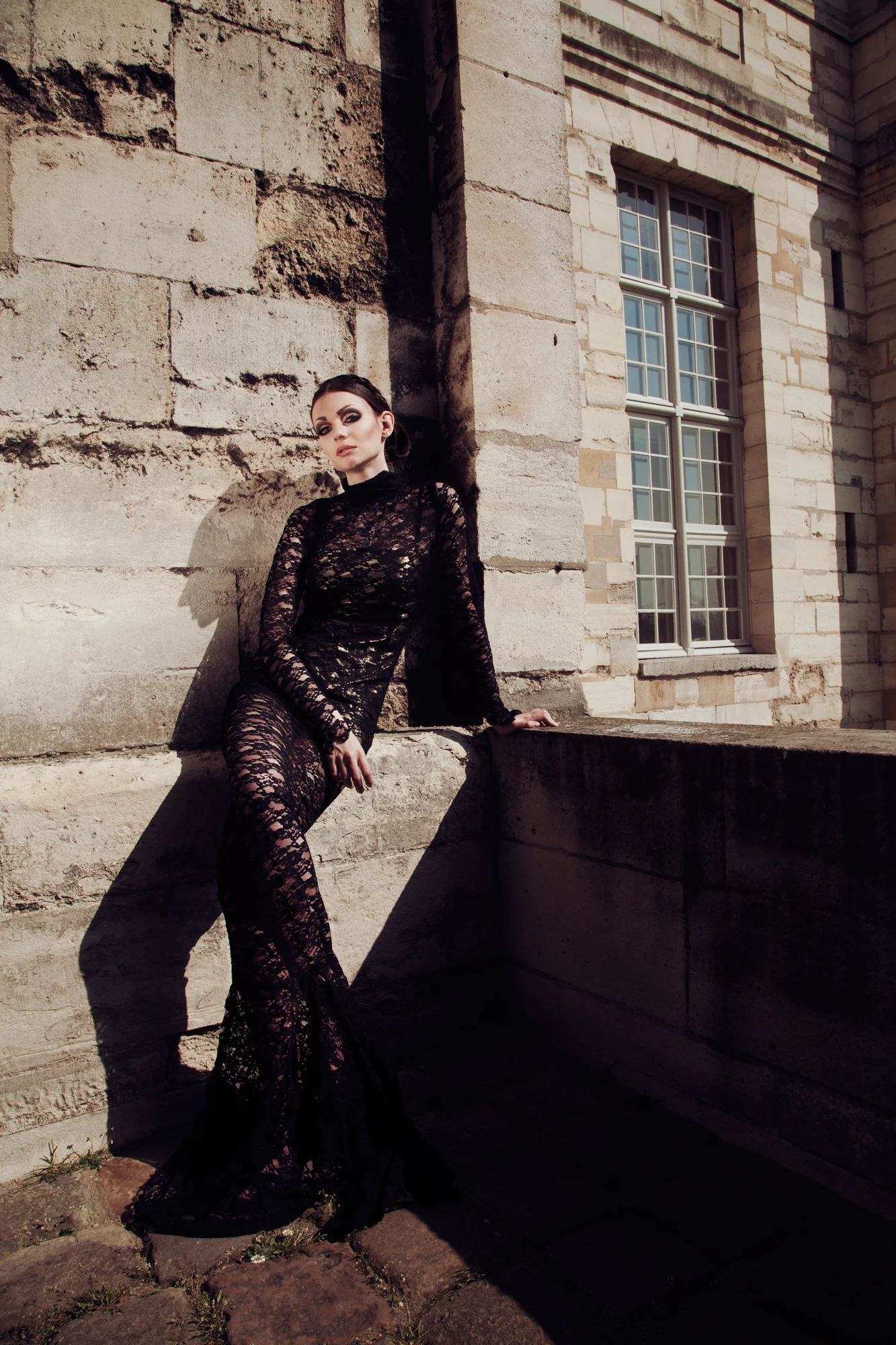
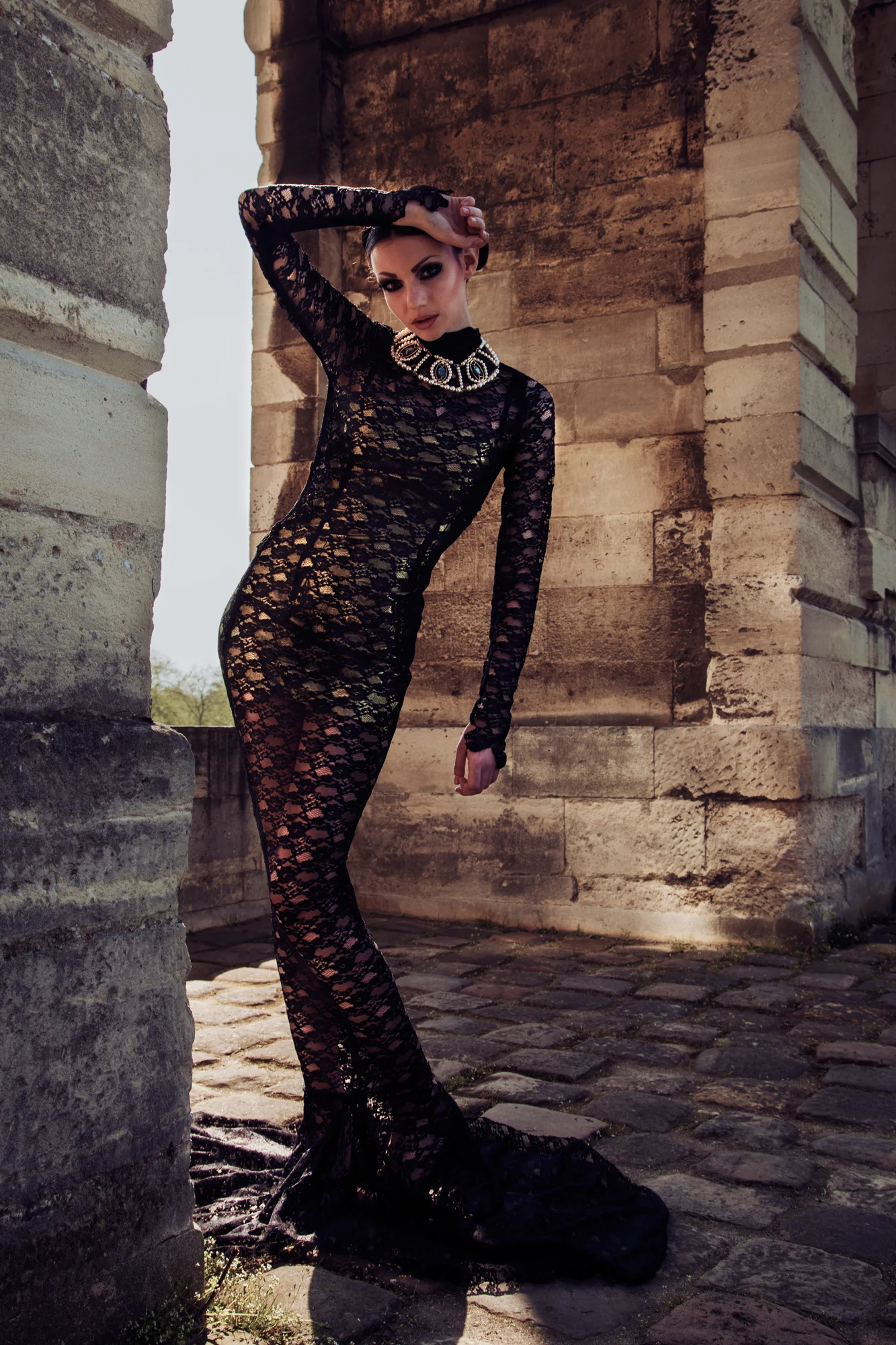
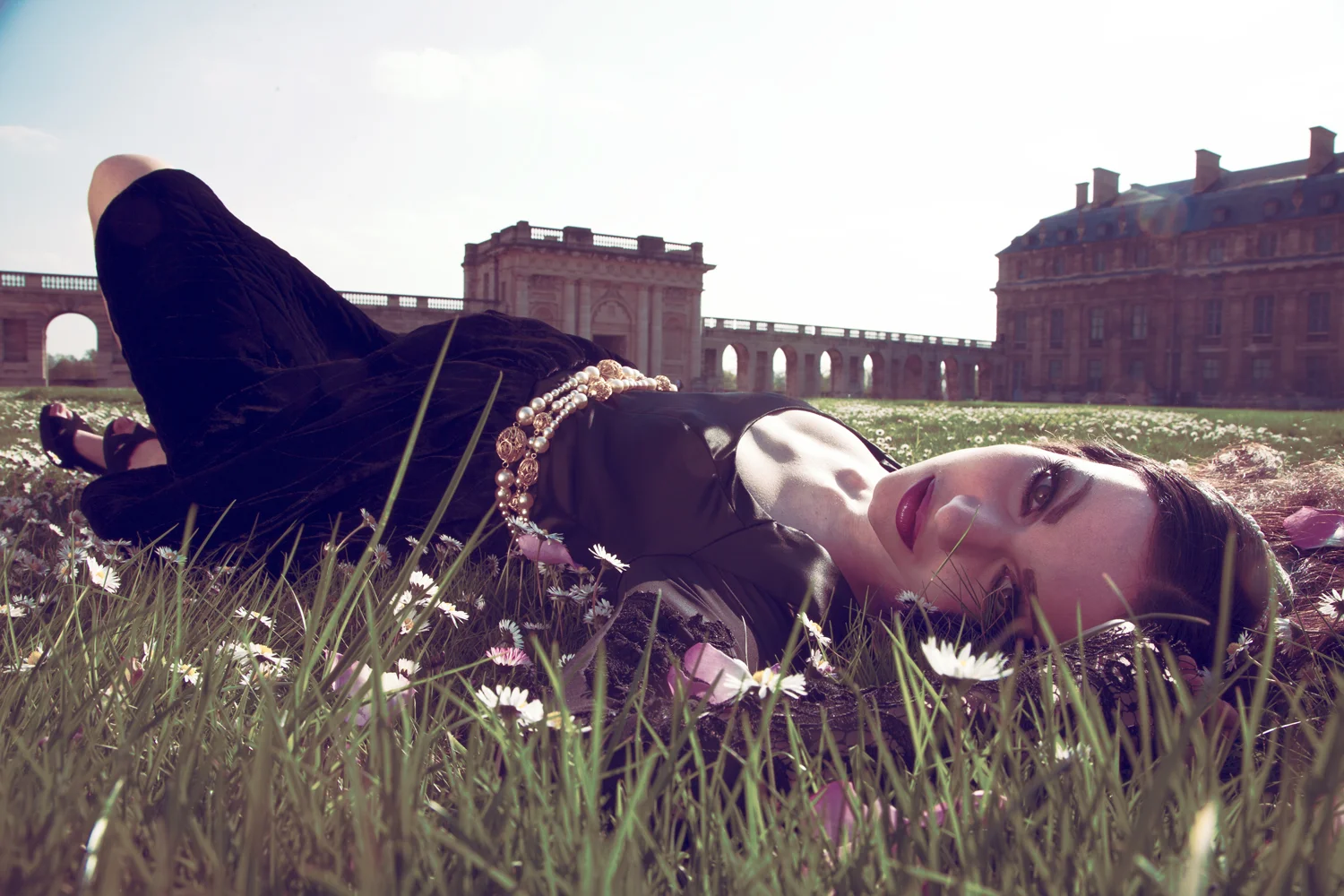
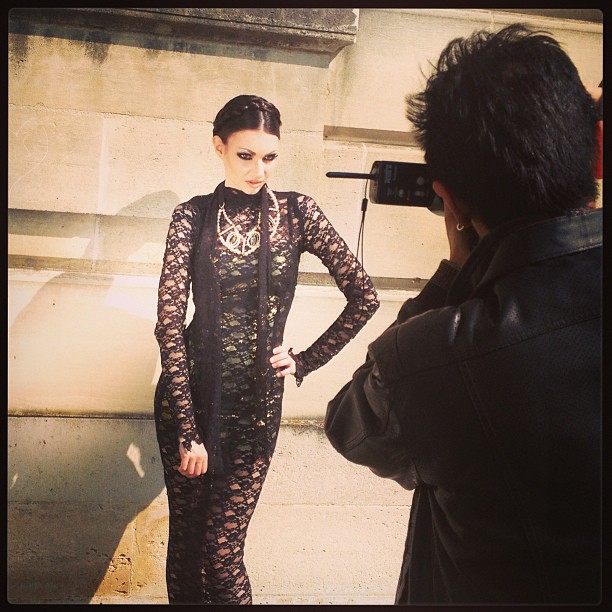
So I finally have a translation of an interview I did with Salitote from last year.
Big thanks to Aimi Nakano who did the initial translation and photographer Nephi Hikaru (http://photographsbyhikaru.com/) for the proofreading and editing.
Some of the translation are made verbatim and could sound a little unnatural (as Japanese - English translations sometimes do) but the main gist of the interview can be understood.
The original interview by Yukiyo Uomi is here and below is the English translation:
--------
He is a Chinese-Australian. He goes by the alias , Ontoshiki.
Six years ago, in 2006, he arrived in Japan. He is setting off once again for France this August to go on to the next stage of his life.
There were two reasons why I wanted to interview him.
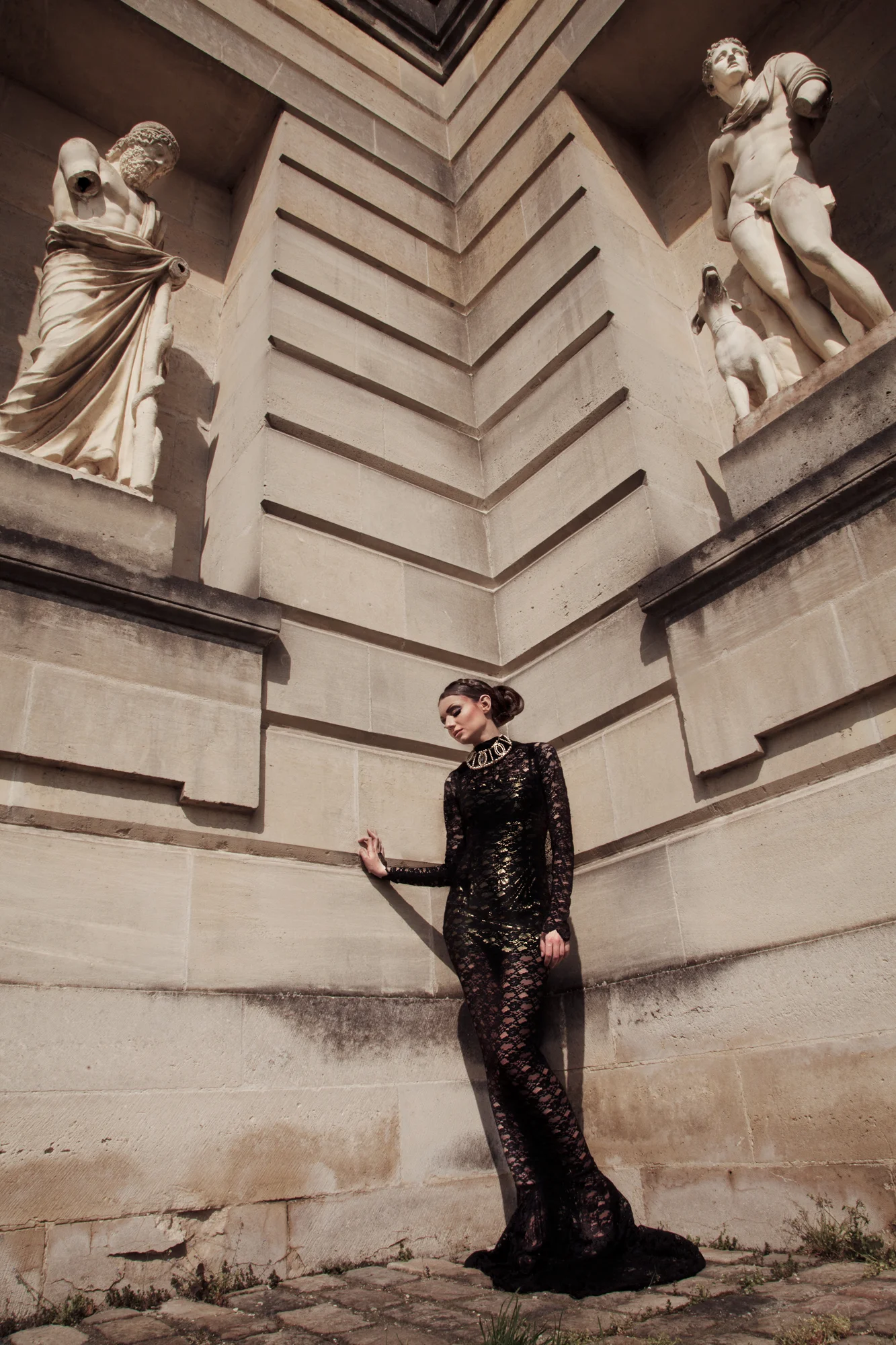
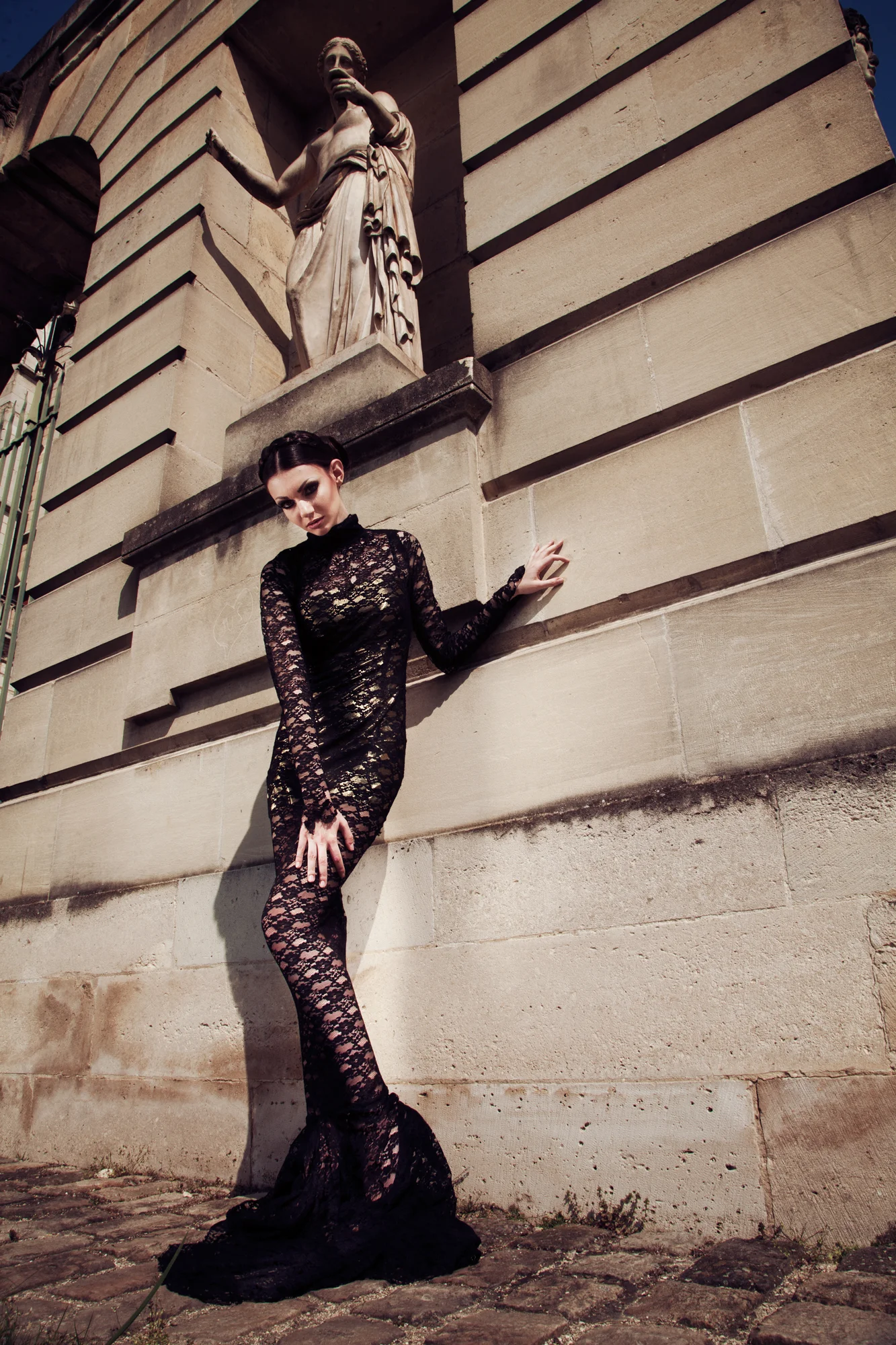
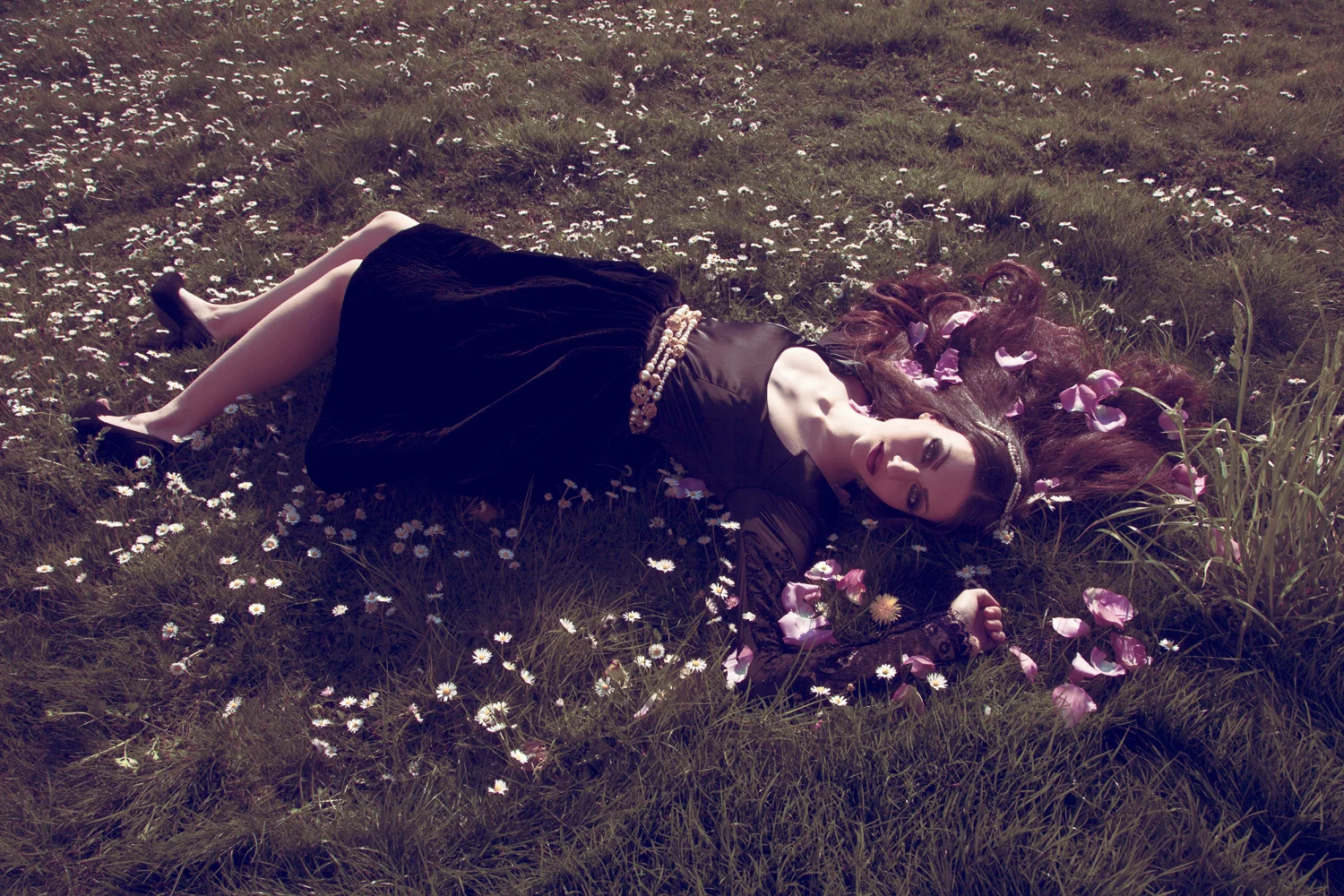
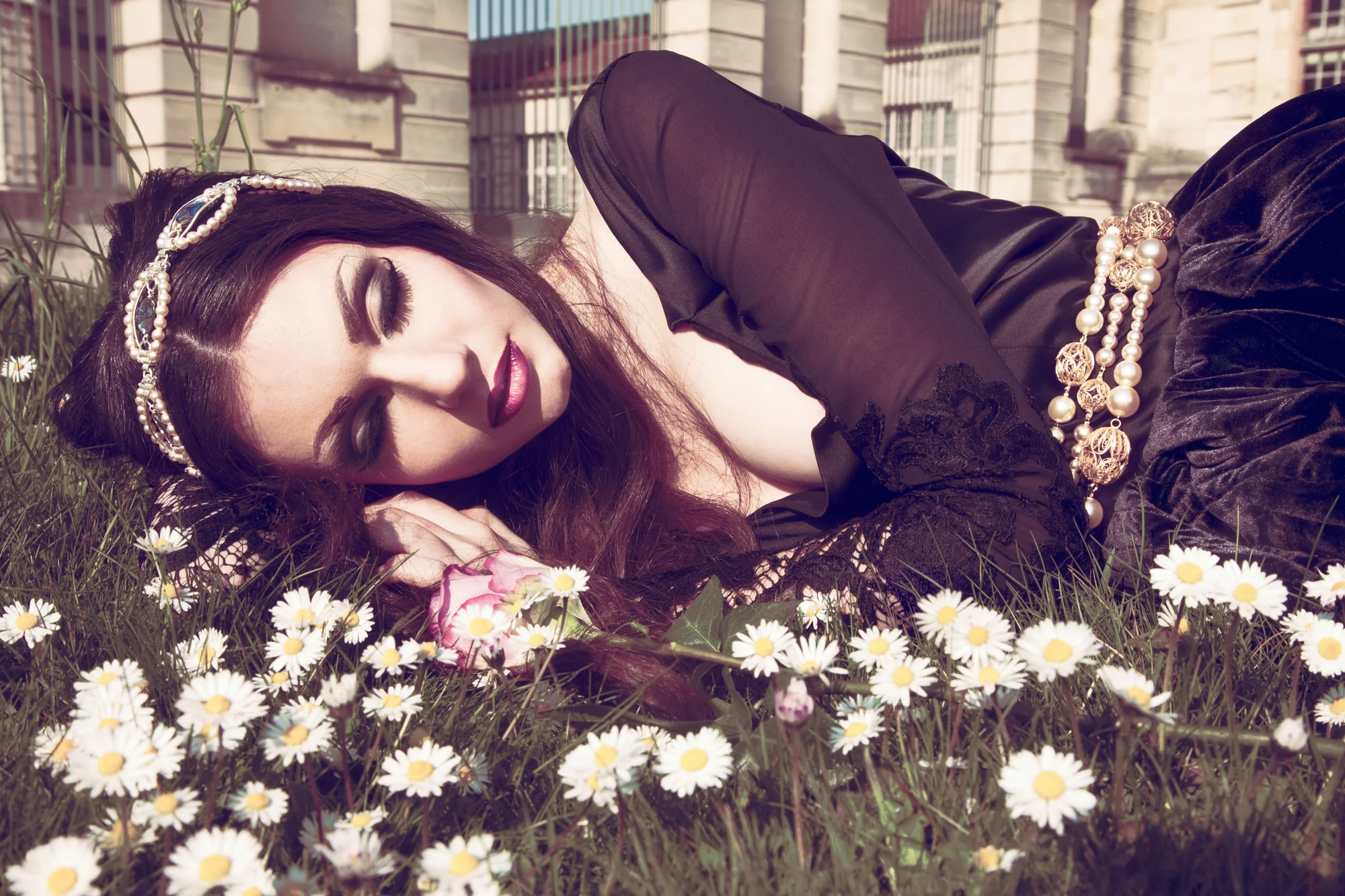
First, I wondered why he was working as a photographer in Japan. Second, smiling faces almost never appear in his works.
“Don’t smile,” He said when we were snapping some pictures of me.
Actually, I am terrible at keeping a straight face.
Working as a magazine editor through the years, I often see people who struggle to put on a smile in front of a camera. Ironically, it’s difficult for me to keep a straight face.
Most people don't feel comfortable around me when I don't smile.
So his request not to smile made me a little uncomfortable.
And you know, people laugh easily when they're uncomfortable.
Ontoshiki was born in Malaysia. He moved to Brisbane, Australia with his family when he was nine years old. After he received his degree, he worked for a University in the area of financial systems. After a few years, he landed a job working in systems training and support for the Australian Government. Life was comfortable and stable but something was missing…
At the time, while taking care of his father's rental property, he had the opportunity to meet some Japanese tenants who had moved to Australia. They seemed to be enjoying life in a foreign country speaking a different language and living in a totally different environment.
Through his friendship with them, he became interested in Japanese culture. One day, he asked one of them why they had come to Australia.
“Because I wanted to change my life,” was the answer.
“I was so envious,” Ontoshiki said to me.
“Do I still have dreams? What do I really want to do with my life? I was in need of some soul-searching. But I didn’t think I could change anything living in my comfort zone and being a couch potato.. So without much planning, I quit my job and within the span of a month came to Tokyo when I was 26 years old. I had no idea what I would be able to find in Tokyo, as cliche as it may have sounded, I thought it was now or never to discover myself.”
When he arrived at Narita airport, he felt a different atmosphere.
Although he picked Asakusa as the place to go first, he abruptly got lost with his big luggage in the middle of the massive station. But there was a different world in front of him.
A new country, language, cities, culture, and people.
Everything he saw was stimulating and amazing.
I want to record the memories.
Why don’t I take pictures? He thought.
“At that time, the only camera I had was a compact camera which limited creative freedom. So I saved up money and bought a single-lens reflex camera. I wanted to express my feelings more freely.”
Afterward, he studied photography by himself and kept on taking pictures of daily landscapes, flowers, and people. Then, he began to exhibit his works through the internet and his own website.
I actually met him before I discovered he was a photographer, so I appreciated and was fascinated by the pictures. Conversely, people who had seen his photographs first, were surprised when they met him later on.
“Everyone who has followed my work, was surprised when they met me for the very first time because I was an all-too-ordinary man. They had already had an image of me as some stimulating, mysterious person from the mood of my work.”
I know how they feel, because his photographs leave a strong impression on me. There is another world like in a movie or novel, which is not connected with our daily life.
As I mentioned at first, what concerned me most was why there was no smile in his works.
I asked him the reason directly.
“I feel a certain mystery to someone’s oppressed facial expression. People usually don’t let the sorrow or pain show on their face even when they are feeling depressed. But I think there is a beauty in the moments that we feel suffering. For me, that is the beauty of “Yugen (幽玄)”, a mysterious, subtle and profound aesthetic in Japanese culture.”
Then, he asked me how I understood the meaning of “Yugen”.
I was not able to answer, but he said he was sure that I knew it.
“Incompleteness. This is one of the beautiful things about Japan.” He added.
Ontoshiki visited the Tohoku region after the great Tohoku earthquake in 2011.
“I don't know why, but I headed to Tohoku as if a voice had asked me to do so. I thought about my life again just like everybody did, and I thought I had to do something there.”
He told me that he had come upon a touching scene while he was there.
“When I went to Arahama in Miyagi prefecture, there was a line. On one side of the line, everything had collapsed and it looked like a warzone. While on the opposite side, a placid scene remained as it had been. And five or six monks were offering prayers on the shores of the beach.”
He said he had found another meaning to photography from the experience.
“It’s so painful and sad, even heartless to shoot while people were suffering from the tragedy. But there is a reality and photography has the power to convey it.”
In August, he set off to France to really study photography.
It was the third turning point in his life.
“I’m excited thinking about experiencing a new language, culture, and people again. It is really fun for me to see what I’ve never seen before, and have new experiences. You can find yourself through traveling or living in a foreign country. I’ve learned that since I came to Japan.”
The future you want will never come if you just wait for it. You can create your future by choosing to walk the path that gives you the most joy and passion.
We often hear these words.
So the rest is up to you, to do it or not.
“Since I came to Japan, I had no idea what i wanted to do, so I was thinking about it for a long time. Then, I felt the depth of the space within myself.”
Now he thinks that it's worth continuing what you want to do, even if you can only do a little. But never give up or be afraid of making mistakes... as a lot of successful people have said.
I asked the last question the man who had told me that there was no fear for his new beginning:
Don’t you have anything to be afraid of?
“...Well, I’m afraid of people, of becoming familiar and close, even with my family. I don’t know why... I think I don’t want to hurt anyone, including myself. So I keep myself within a comfortable distance.”
"That’s why I take pictures," He said.
“Through photographs, I can be close to people, or develop a faux relationship at least. It allows me to understand and inspire others.”
I would like to interview him again when he finally takes pictures of people smiling.
“A flower changes from person to person and mind to mind. In which one is the absolute truth? You will only know the flower by what is used at the time.”
By Zeami Motokiyo.
Interviewed by Yukiyo Uomi. Translated by Aimi Nakano & Israel aka Nephi Hikaru.